Buy 771.eu ?
We are moving the project
771.eu .
Are you interested in purchasing the domain
771.eu ?
domain@kv-gmbh.de · 0541-91531010
Buy 771.eu ?
What is the replication origin in DNA replication?
The replication origin is a specific sequence of DNA where the process of DNA replication begins. It is the site where the two strands of the DNA double helix are separated and the replication machinery is assembled. The replication origin is recognized by specific proteins that initiate the unwinding of the DNA and the synthesis of new DNA strands. Each DNA molecule has multiple replication origins to ensure that the entire genome is replicated efficiently. **
What is semiconservative replication?
Semiconservative replication is the process by which DNA is copied during cell division. In this process, the two strands of the DNA double helix separate, and each strand serves as a template for the synthesis of a new complementary strand. As a result, each new DNA molecule contains one original strand and one newly synthesized strand. This ensures that the genetic information is preserved and passed on to the next generation of cells. This process was first proposed by James Watson and Francis Crick in 1953. **

Similar search terms for Replication
Top-Angebote
Products related to Replication:
-
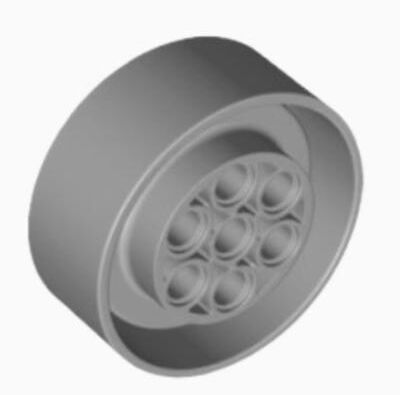
Lush Living Finds Perforated Brick Assembly Toy Accessories With Technology Mechanical Wheels Perforated Brick Assembly Toy Accessories With Technology Mechanical WheelsEnhance Creativity with Technology Mechanical Wheels Unlock the power of innovation with our technology mechanical wheels, designed specifically for perforated brick assembly toy accessories. Whether you are a hobbyist or a seasoned builder, these...43,97 $*Shipping: 0,00 $Secure redirect to the provider
-
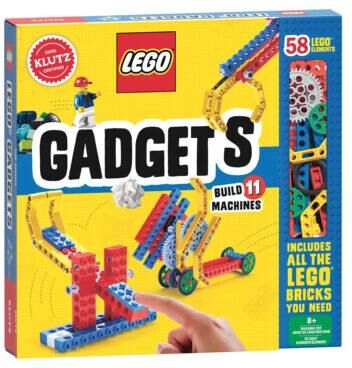
Klutz: LEGO GadgetsThis activity kit will have you building 11 machines including a gravity powered car and a wacky boxing robot. The fun doesn't stop once you've completed all of the projects in the book - open-ended prompts will inspire you to continue experimenting...24,99 $*Shipping: 0,00 $Secure redirect to the provider
-
Inspire Curations FixPro 24 in 1 Precision Screwdriver Set Magnetic Electronics Repair Kit For Phones, Laptops & Small Devices goldenHandle delicate repairs with confidence using this compact and versatile precision screwdriver set designed for modern electronics and everyday fixes. Perfect for DIY enthusiasts, technicians, gamers, and gadget owners, this allinone repair kit...53,00 $*Shipping: 0,00 $Secure redirect to the provider
-
Uplift Essentials Precision Screwdriver Set Professional Repair Kit For Electronics, Laptops, Phones, And Small Devices 152 In 1 (black)This precision screwdriver kit is designed for repairing electronics and handling detailed technical tasks. Whether you are working on laptops, phones, gaming consoles, drones, watches, eyeglasses, or home gadgets, this allinone set provides every...125,97 $*Shipping: 0,00 $Secure redirect to the provider


-
What is DNA replication?
DNA replication is the process by which a cell makes an identical copy of its DNA. This process is essential for cell division and the transmission of genetic information from one generation to the next. It involves the unwinding of the DNA double helix, the synthesis of new complementary strands using the existing strands as templates, and the proofreading and correction of any errors. DNA replication ensures that each new cell receives a complete and accurate set of genetic instructions. **
-
What is RNA self-replication?
RNA self-replication is a process where RNA molecules are able to catalyze their own replication without the need for external enzymes. This ability is crucial for the early evolution of life on Earth, as it is believed to be a key step in the transition from prebiotic chemistry to the emergence of life. RNA self-replication involves the RNA molecule acting as both a template and an enzyme, allowing it to make copies of itself. This process is a fundamental aspect of the RNA world hypothesis, which suggests that RNA played a central role in the origin of life. **
-
How does DNA replication occur?
DNA replication occurs in a semi-conservative manner, where the two strands of the double helix are separated and each strand serves as a template for the synthesis of a new complementary strand. The enzyme helicase unwinds the double helix, creating two single strands. DNA polymerase then adds new nucleotides to each single strand, following the base-pairing rules (A with T, and C with G). This results in two identical double-stranded DNA molecules, each containing one original strand and one newly synthesized strand. **
-
Where does DNA replication occur?
DNA replication occurs in the nucleus of eukaryotic cells and in the cytoplasm of prokaryotic cells. In eukaryotic cells, DNA replication takes place during the S phase of the cell cycle, when the DNA is duplicated to ensure that each daughter cell receives a complete set of genetic information. The process involves the unwinding of the DNA double helix, the synthesis of new DNA strands using existing strands as templates, and the proofreading and correction of errors. Overall, DNA replication is a fundamental process that ensures the accurate transmission of genetic information from one generation to the next. **


What is a replication bubble?
A replication bubble is a region of DNA where the double helix has been unwound and separated to allow for DNA replication to occur. It is formed by the action of helicase enzymes that unwind the DNA strands, creating two single-stranded templates for the replication process. The replication bubble expands as the replication machinery moves along the DNA, synthesizing new strands of DNA. Replication bubbles are a key feature of DNA replication and allow for the efficient and accurate copying of genetic information. **
How does semiconservative DNA replication occur?
Semiconservative DNA replication occurs in the following way: the double-stranded DNA molecule unwinds and separates into two strands. Each separated strand serves as a template for the synthesis of a new complementary strand. Enzymes called DNA polymerases add nucleotides to the new strands based on the complementary base pairing rules (A with T, C with G). As a result, two identical DNA molecules are produced, each consisting of one original strand and one newly synthesized strand. This process ensures that genetic information is faithfully passed on to daughter cells during cell division. **
Top-Angebote
Products related to Replication:
-
Rare Purchases Piece Repair Tool Kit With Torx Screwdrivers For Digital Devices And Gadgets magnetismIntroducing our Multifunctional Precision Screwdriver Set, the essential tool kit for anyone who works with digital devices. Whether you're repairing a phone, tablet, PC, or any other gadget, this versatile tool set provides all the necessary...49,97 $*Shipping: 0,00 $Secure redirect to the provider
-
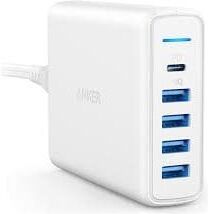
Anker PowerPort 60 W 6-Port Family-Sized Desktop USB Charger with PowerIQ Technology for Smartphones - White, NewThe Anker Advantage: Join the 10 million+ powered by Amazon's leading charging brand. Fast Charging Technology: PowerIQ and VoltageBoost combine to provide the fastest possible charge up to 2.4 amps per port or 12 amps overall (Qualcomm Quick Charge 2.0 not supported. For QC 2.0 charging, please see Anker's 18W USB Wall Charger). Ultra Powerful: 6 ports pump out 60 watts of power, enabling simultaneous multi-device charging. Certified Safe: Anker's MultiProtect safety system and UL certification ensure complete protection for you and your devices. Worldwide 100-240 volt AC input voltage What You Get: Anker PowerPort 6 (60W 6-Port USB Charging Hub), 5ft / 150cm detachable power cord, welcome guide, our fan-favorite 18-month warranty and friendly customer service.. Brand Anker Connectivity technology USB Connector type USB Type C Compatible devices Smartphones, Tablets, Laptop Compatible phone models All Smartphones Included components USB Cable Cable length 5 Feet Special feature Lightweight Design, Travel, Fast Charging Colour White Input voltage 100 Volts49,99 £*Shipping: 0,00 £Secure redirect to the provider
-
Lush Living Finds Perforated Brick Assembly Toy Accessories With Technology Mechanical Wheels Perforated Brick Assembly Toy Accessories With Technology Mechanical WheelsEnhance Creativity with Technology Mechanical Wheels Unlock the power of innovation with our technology mechanical wheels, designed specifically for perforated brick assembly toy accessories. Whether you are a hobbyist or a seasoned builder, these...43,97 $*Shipping: 0,00 $Secure redirect to the provider
-
Klutz: LEGO GadgetsThis activity kit will have you building 11 machines including a gravity powered car and a wacky boxing robot. The fun doesn't stop once you've completed all of the projects in the book - open-ended prompts will inspire you to continue experimenting...24,99 $*Shipping: 0,00 $Secure redirect to the provider
-
What is the replication origin in DNA replication?
The replication origin is a specific sequence of DNA where the process of DNA replication begins. It is the site where the two strands of the DNA double helix are separated and the replication machinery is assembled. The replication origin is recognized by specific proteins that initiate the unwinding of the DNA and the synthesis of new DNA strands. Each DNA molecule has multiple replication origins to ensure that the entire genome is replicated efficiently. **
-
What is semiconservative replication?
Semiconservative replication is the process by which DNA is copied during cell division. In this process, the two strands of the DNA double helix separate, and each strand serves as a template for the synthesis of a new complementary strand. As a result, each new DNA molecule contains one original strand and one newly synthesized strand. This ensures that the genetic information is preserved and passed on to the next generation of cells. This process was first proposed by James Watson and Francis Crick in 1953. **
-
What is DNA replication?
DNA replication is the process by which a cell makes an identical copy of its DNA. This process is essential for cell division and the transmission of genetic information from one generation to the next. It involves the unwinding of the DNA double helix, the synthesis of new complementary strands using the existing strands as templates, and the proofreading and correction of any errors. DNA replication ensures that each new cell receives a complete and accurate set of genetic instructions. **
-
What is RNA self-replication?
RNA self-replication is a process where RNA molecules are able to catalyze their own replication without the need for external enzymes. This ability is crucial for the early evolution of life on Earth, as it is believed to be a key step in the transition from prebiotic chemistry to the emergence of life. RNA self-replication involves the RNA molecule acting as both a template and an enzyme, allowing it to make copies of itself. This process is a fundamental aspect of the RNA world hypothesis, which suggests that RNA played a central role in the origin of life. **
Similar search terms for Replication
-
Inspire Curations FixPro 24 in 1 Precision Screwdriver Set Magnetic Electronics Repair Kit For Phones, Laptops & Small Devices goldenHandle delicate repairs with confidence using this compact and versatile precision screwdriver set designed for modern electronics and everyday fixes. Perfect for DIY enthusiasts, technicians, gamers, and gadget owners, this allinone repair kit...53,00 $*Shipping: 0,00 $Secure redirect to the provider
-
Uplift Essentials Precision Screwdriver Set Professional Repair Kit For Electronics, Laptops, Phones, And Small Devices 152 In 1 (black)This precision screwdriver kit is designed for repairing electronics and handling detailed technical tasks. Whether you are working on laptops, phones, gaming consoles, drones, watches, eyeglasses, or home gadgets, this allinone set provides every...125,97 $*Shipping: 0,00 $Secure redirect to the provider
-
Rare Purchases Piece Repair Tool Kit With Torx Screwdrivers For Digital Devices And Gadgets hand TwistIntroducing our Multifunctional Precision Screwdriver Set, the essential tool kit for anyone who works with digital devices. Whether you're repairing a phone, tablet, PC, or any other gadget, this versatile tool set provides all the necessary...39,97 $*Shipping: 0,00 $Secure redirect to the provider
-
Uplift Essentials Precision Screwdriver Set Professional Repair Kit For Electronics, Laptops, Phones, And Small Devices 152 In 1 (blue)This precision screwdriver kit is designed for repairing electronics and handling detailed technical tasks. Whether you are working on laptops, phones, gaming consoles, drones, watches, eyeglasses, or home gadgets, this allinone set provides every...125,97 $*Shipping: 0,00 $Secure redirect to the provider
-
How does DNA replication occur?
DNA replication occurs in a semi-conservative manner, where the two strands of the double helix are separated and each strand serves as a template for the synthesis of a new complementary strand. The enzyme helicase unwinds the double helix, creating two single strands. DNA polymerase then adds new nucleotides to each single strand, following the base-pairing rules (A with T, and C with G). This results in two identical double-stranded DNA molecules, each containing one original strand and one newly synthesized strand. **
-
Where does DNA replication occur?
DNA replication occurs in the nucleus of eukaryotic cells and in the cytoplasm of prokaryotic cells. In eukaryotic cells, DNA replication takes place during the S phase of the cell cycle, when the DNA is duplicated to ensure that each daughter cell receives a complete set of genetic information. The process involves the unwinding of the DNA double helix, the synthesis of new DNA strands using existing strands as templates, and the proofreading and correction of errors. Overall, DNA replication is a fundamental process that ensures the accurate transmission of genetic information from one generation to the next. **
-
What is a replication bubble?
A replication bubble is a region of DNA where the double helix has been unwound and separated to allow for DNA replication to occur. It is formed by the action of helicase enzymes that unwind the DNA strands, creating two single-stranded templates for the replication process. The replication bubble expands as the replication machinery moves along the DNA, synthesizing new strands of DNA. Replication bubbles are a key feature of DNA replication and allow for the efficient and accurate copying of genetic information. **
-
How does semiconservative DNA replication occur?
Semiconservative DNA replication occurs in the following way: the double-stranded DNA molecule unwinds and separates into two strands. Each separated strand serves as a template for the synthesis of a new complementary strand. Enzymes called DNA polymerases add nucleotides to the new strands based on the complementary base pairing rules (A with T, C with G). As a result, two identical DNA molecules are produced, each consisting of one original strand and one newly synthesized strand. This process ensures that genetic information is faithfully passed on to daughter cells during cell division. **
* All prices are inclusive of VAT and, if applicable, plus shipping costs. The offer information is based on the details provided by the respective shop and is updated through automated processes. Real-time updates do not occur, so deviations can occur in individual cases. ** Note: Parts of this content were created by AI.